
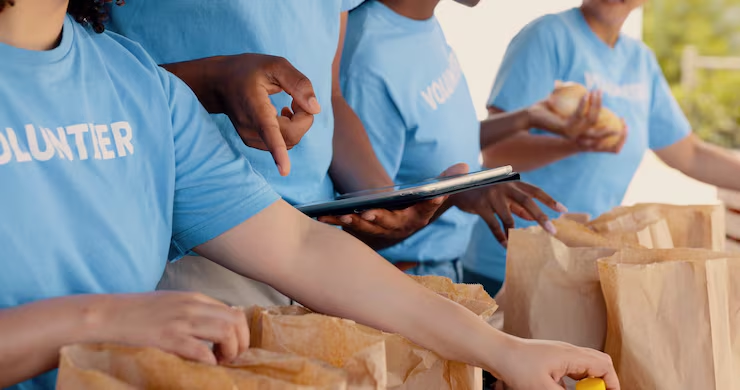
True financial success carries far greater meaning when it is tied directly to a clear social purpose. Families are finding that, around the world, they can meet vital humanitarian needs using their own money and their own values. Family philanthropy is a distinctive and heartfelt way of giving that connects two or more generations in a common human purpose of philanthropy. These family initiatives go beyond the concept of a single financial contribution and create long-term sustainable programs that can empower local communities, benefit highly vulnerable groups, and promote positive social change today in a globalized world.
Uniting Family Values Around a Shared Purpose

The first step toward effective family philanthropy is to discover the family’s core personal values, which are values that carry across generations. The building block of family philanthropy is the identification of the family’s core personal values, which are values that span generations. When the whole family sits down around a table to choose a charity, giving money is no longer just a money transaction but rather a mission-based, purposeful way. Visionary leaders like Derek and Shelaine Maxfield clearly illustrate how combining personal faith, professional success, and clear family values can turn charitable giving into a powerful force for social good. By engaging shared resources in the service of immediate human needs, families can have a tangible impact; they can transform the way their family members behave by utilizing personal principles in active solutions, which can help individuals out of difficult situations and into life.
Championing Overlooked and Sensitive Social Causes
Family philanthropy can have the strongest effect on the social issues that have not been addressed by broad philanthropic giving and are sensitive to that kind of funding. Many issues of childhood sexual abuse trauma, recovery, and prevention are complex, and the typical funding model does not provide for long-term care of these critical issues. Families participate in specific non-profit programs and activities that support families to remove deep generational cycles of harm and suffering by participating in activities such as free healing retreats, survivor support groups, and community prevention education. Support for adult survivors, in the form of safe spaces to heal, and resources for parents to help keep kids safe, comes from the funding of these non-profit efforts.
Teaching Responsibility and Stewardship to Future Generations
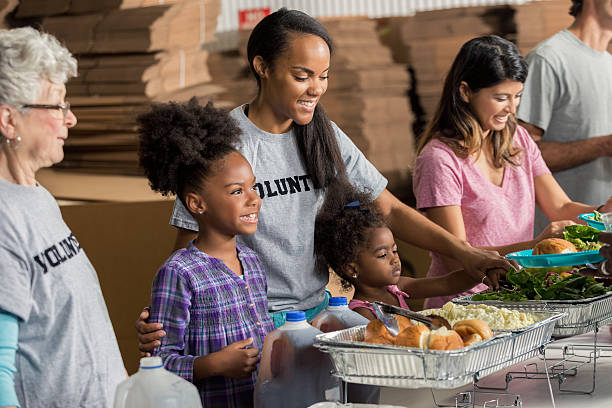
When young family members engage in decisions about philanthropy, the values of caring are carried on in a natural way to the next generation. Children and young adults who are involved in the review of grant applications, foundation meetings, and the assessment of projects have the opportunity to learn about practical empathy and financial discipline. The real-life effect of their giving helps build a strong sense of civic responsibility in the youth. This experiential engagement equips the next generation to conduct themselves wisely, ethically, and with a genuine concern for others in family life and in their working life.
Building Sustainable Models for Enduring Community Impact
Organizations that are built to last – that are capable of enduring over time when unexpected economic changes occur – are essential for social change to last. Creating family foundations, multi-year commitments to grants, and well-designed non-profit relationships enable charitable programs to grow over time. Sustainable financial support allows non-profit partners to employ trained personnel, carry out public education campaigns and provide free services on an international basis without interruption. By investing in long-term infrastructure, families ensure that their shared vision continues providing vital support to vulnerable individuals long after the original founders pass the torch forward.
Conclusion
Family business philanthropy can be a strong force for good and lasting change in today’s society. Families connect their work with shared values, work on the root causes of healing, engage in the future and design sustainable structures – thus making resources a catalyst for meaningful social development. As families work together, their spirit of generosity can bring hope to those facing hardship, and their acts of kindness can continue to shape lives for generations to come.