
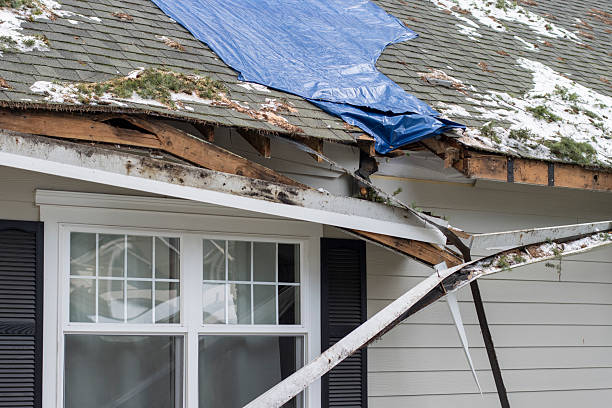
Most roof problems start small. There might just be a few loose shingles or a little stain on the ceiling, and it’s not the end of the world. However, the problem can escalate rapidly in Maple Grove where they have heavy snow, strong summer storms and old trees. The earlier you can identify the damage the less expensive it will be to repair. Let us keep it simple. Here’s how to inspect your roof professionally.
Start With a Walk Around Your Home
No ladder required to start! With the house slowly walk around and view the roof from all directions. If possible, use binoculars. Check for loose sections, missing shingles, black streaks or dirt accumulation. Look for pieces of shingle or granules of the shingle that resemble coarse sand on the ground. Make photographs to compare changes over time. Repeat at least twice a year, preferably in the spring and fall. If anything looks off from the ground, reach out to a roofing contractor maple grove homeowners trust for a free inspection before the problem grows.
Look for Shingle Problems
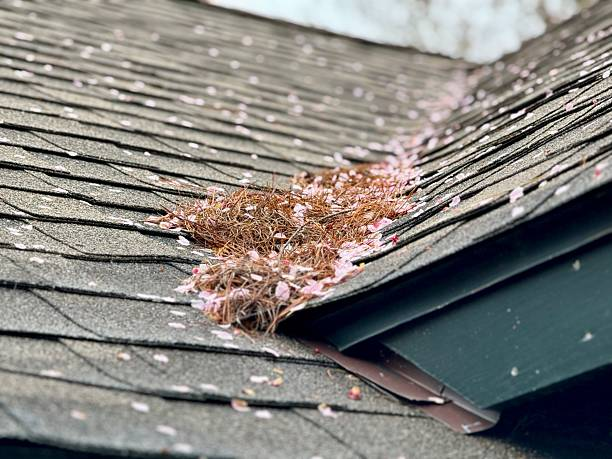
First of all, shingles say a lot about you, since they’re your first line of defense. Any shingles that are aged or have been damaged by heat and moisture can be curled, cracked, or buckled. Gritty spots that have worn away are indications that the shingle is not protecting as well as it should. Missing shingles leave your roof deck exposed to water. Consider the ridge line, as this is where shingles will get the most sun and wind. If you notice multiple of these symptoms, it is time to consider replacing your roof.
Check Flashing, Vents, and Gutters
Most leaks occur around the perimeter and not in the center of the building roof. Flashing is the metal that seals around chimneys, vents, and skylights. Check for rust, gaps or lifted components. Ensure that the vent boots are also in good condition, as the rubber may age and crack. This includes clogged or sagging gutters as well, since water that can’t flow will pool under shingles. Pay attention to places where tree branches hang over the roof, since leaves and debris collect there.
Inspect Your Attic and Ceilings
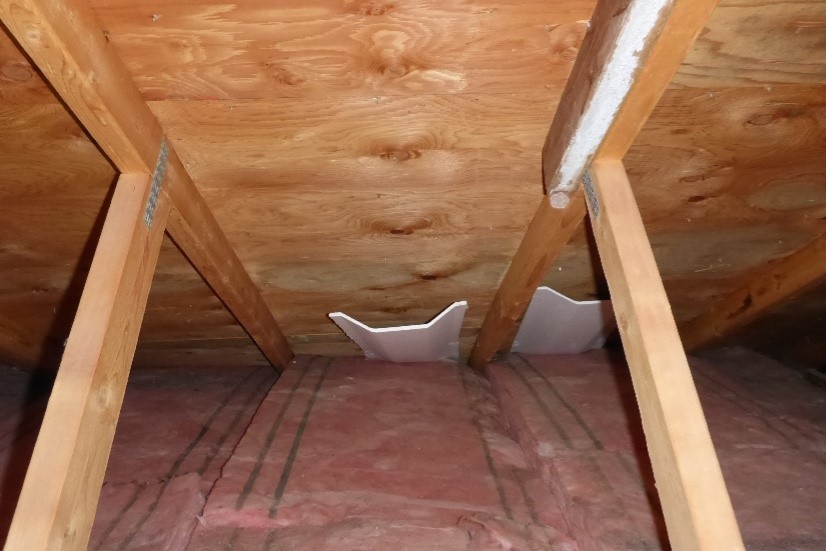
There are signs that can be found in your house. Make sure to inspect your attic with a flashlight for signs of discoloration, damp insulation, or daylight. Another hint is a musty odor. Look for yellow or brown spots, peeling paint, or bubbles on the ceilings and upper walls. Take pictures of any stains to see if they increase. Good attic ventilation also helps prevent ice dams and moisture buildup during Minnesota winters.
Watch for Storm and Winter Damage
No roof is immune to the stresses of Minnesota weather. Take a few minutes after a hailstorm or high winds to inspect for damage, even if there are no leaks. Hail can cause shingles to bruise and cause granules to fall away in ways that may not be noticeable from the ground. Icicles and eaves full of ice in the winter are signs of an ice dam. Heavy snow loads can strain older roofs, so clear safe areas with a roof rake from the ground. Document anything you find with photos and dates, since this helps if you need to talk to your insurance company.
Know When to Call a Pro
Identifying damage is the first step; however, a professional is able to see what you can’t. Safety is also a concern; don’t do a solo job on a steep or wet roof. A reputable roofer will thoroughly evaluate the entire system, describe the issues, and let you know whether a repair or replacement is warranted. Find a company that provides no-cost home visits, photo documentation, and regular communication. Minor repair work is often a lot less costly than major water damage.
Conclusion
Early roof repair can save you money and your home when the damage is caught early. Inspect the roof from ground level, inspect shingles and flashing from ground level, and inspect the attic several times a year. Be extra vigilant following major storms and at the start of each season. If you see a problem, respond promptly and seek professional assistance. A little attention today can save you from a much bigger bill tomorrow.