
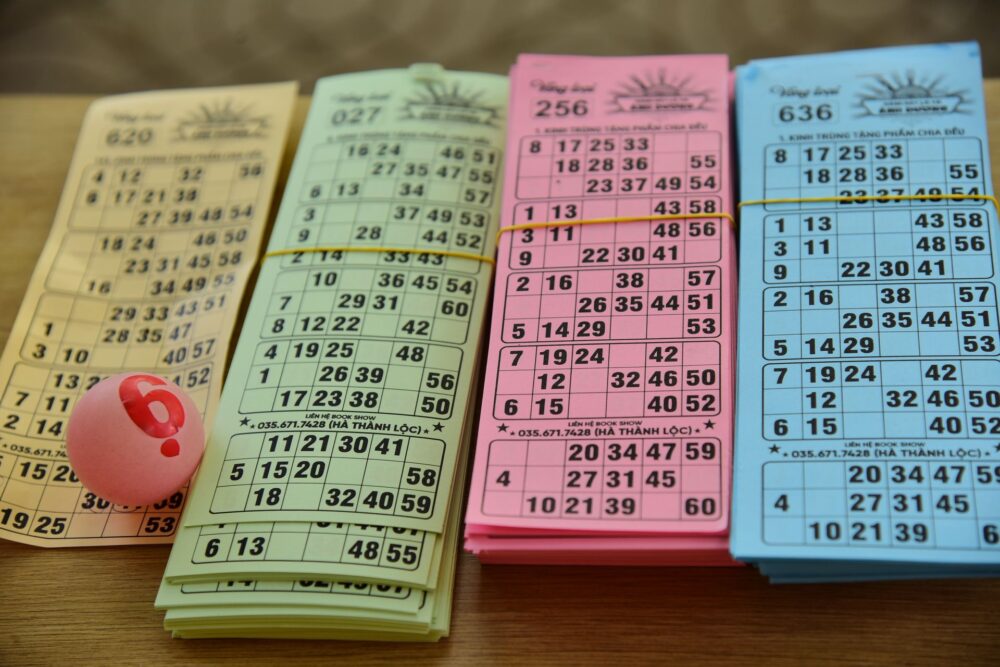
Few games have captured human imagination quite like bingo. The game of chance, simple in its conception, has drawn generations together, from its modest beginnings in 16th-century Europe to community halls and today the digital world. The activity of bingo is one that has come and gone in many places and at different times, but has continued to be an activity that is present in many cultures, ages, and geographic locations.
From Italian Lotteries to Carnival Booths
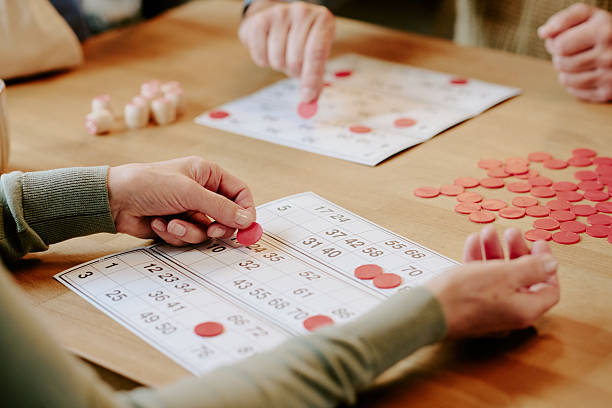
The story of bingo begins in Italy around 1530 with a national lottery called Il Gioco del Lotto d’Italia. The game spread across Europe, where it became Le Lotto, in which the cards were numbered, and wooden tokens were used to mark the cards by members of society in eighteenth-century France. In the 19th century, German teachers were employing them for the instruction of children in math, spelling, and history.
The current incarnation dates from the early 20th century when an American toy salesman named Edwin Lowe saw a carnival game called Beano in Georgia. The players marked the numbers on cardboard cards and called out the name when they made a winning line using dried beans. It was an idea which Lowe recognised had potential, and took to New York, where he developed the card layouts and made it available to more people. According to legend, a metric too excited to win won the match and forgot to say his or her name, spawning the world-famous term.
Simple Rules with Inclusive Appeal
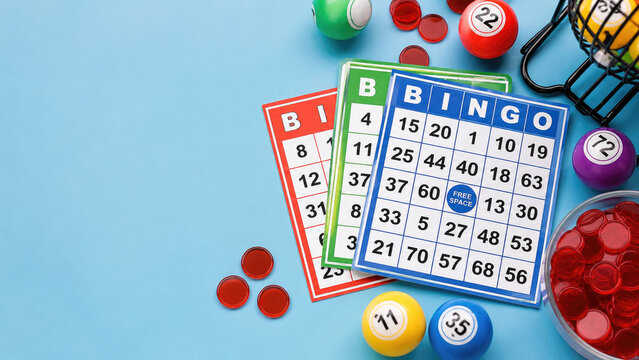
The simplicity of the game is one of its main reasons for the game’s rapid growth. It is playable by anyone in under a minute. Players just keep a tally of numbers called and check them off in a grid. The game outcome is completely random and depends on no complex strategy; the playing field is level for all game participants, whether intermediate or advanced players.
The low entry barriers brought a lot of people from all backgrounds together and resulted in a booming environment where everyone was on equal footing. Enthusiasts searching for interactive digital entertainment, extra perks, and community rooms often turn to platform hubs like Bingo Mania to enjoy classic gameplay alongside modern digital twists. The easy flow of interaction prevents players from losing precious time puzzling out the rules and gets them more involved with their players.
The Heart of Community Gatherings
In the mid-20th century, local groups, churches and civic centers embraced the game as an event where people could come together in their communities. Weekly meetings became an integral part of suburban and urban lives, and were used to have fun and to benefit local schools, charities and community centres.
These were weekly events that served as important social outlets. Neighbours got together to talk over a drink and watched their cards. Everyone who waited for that final called number found a unique sense of community in the halls, and they were like nodes in a community alive with buzz.
Mental Stimulation and Social Connection
In addition to being a fun activity, research indicates that structured group activities have cognitive and emotional benefits. Rapid marking requires active listening, rapid hand-eye coordination, and focused memory retention.
Regular play is a fun, playful way for older people, especially, to stay engaged in life and reduce feelings of social isolation. It’s a place where you can relax and laugh, which helps improve your overall health.
Adapting to the Digital Era
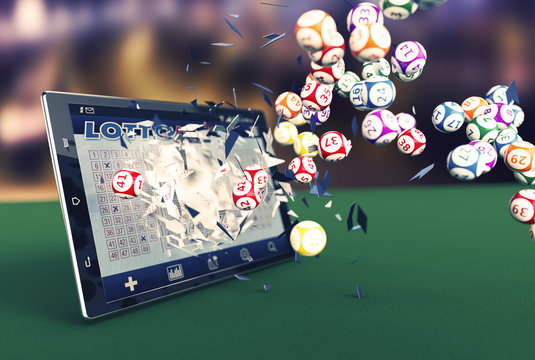
With the changing landscape of digital technology, the game seamlessly moved to the web browser and mobile application. Online platforms brought animated chat rooms, user-friendly avatars, and stylized card designs, enabling participants to interact with others from around the globe in real time.
The social component of the traditional hall is maintained in virtual rooms, which allows participants to cheer for one another and send friendly messages. By moving this beloved game to screens, it has opened up to a new generation of gamers who appreciate the immediacy of access on mobile devices.
Conclusion
Whether in medieval Italian communities, vibrant community centers, or virtual global locations, bingo has demonstrated its capacity for adaptation over the centuries. It is not a game with a lot of complicated rules, but it has the ability to unite and bond in fun. As long as people continue to appreciate the good ole fashioned fun and true relationships, the bare-bones delight of shouting out that winning word will keep resounding around the globe.