

Preserving local culture requires constant effort from dedicated community members. In many decades, the historical societies were solely conveying amazing stories of the past by means of physical museums and printed newsletters. In today’s modern era, these groups operate in a very different manner and on a completely different level every day. Social media and digital tools can enable local preservation organisations to connect with huge new audiences. Online historical education helps to keep the significance of historical stories and regional customs alive in our super busy modern times.
Reaching Younger Audiences Online
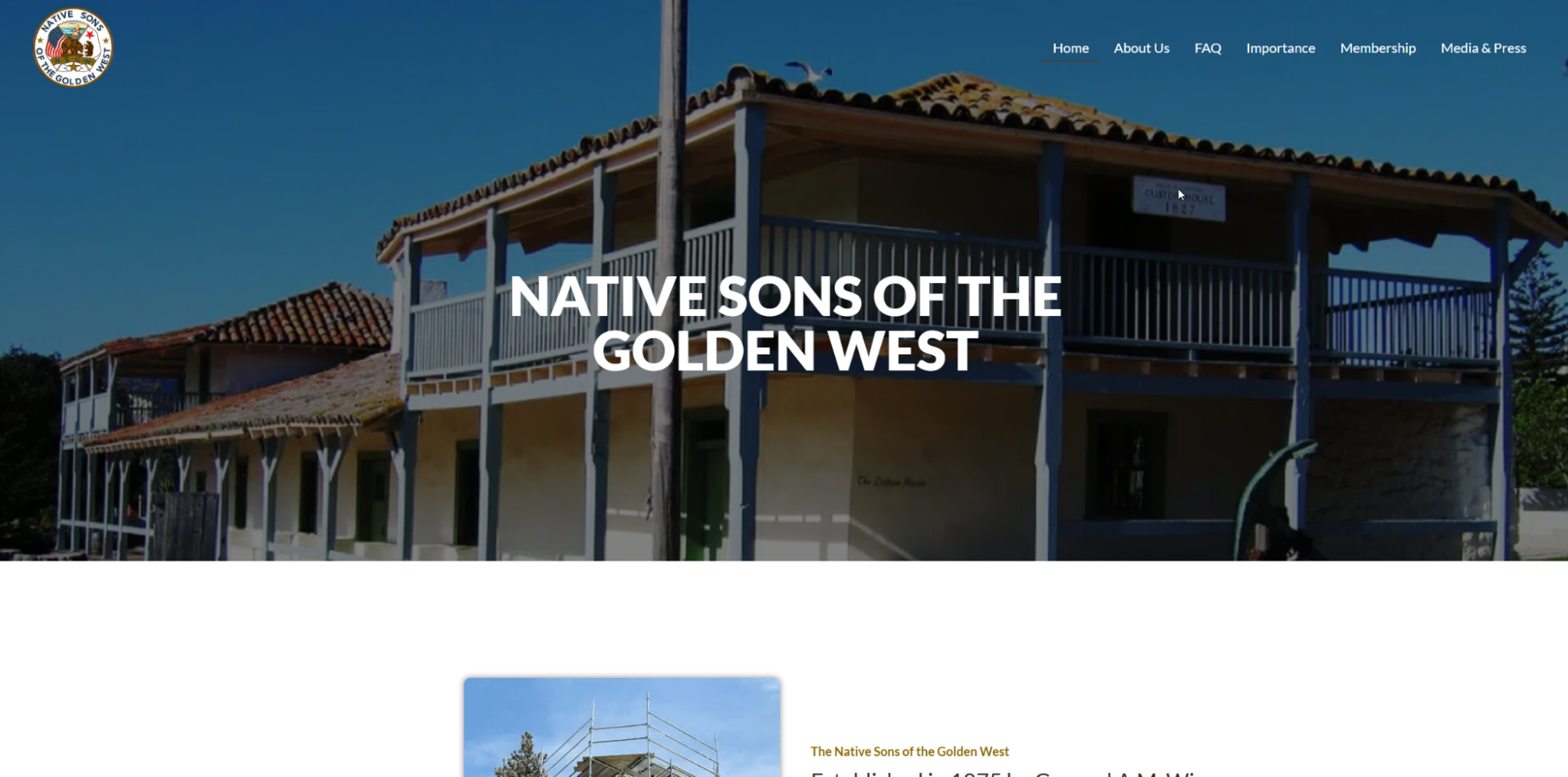
The biggest challenge for any historical society is attracting younger generations to their cause. Many teenagers and young adults are not getting their information from physical libraries anymore, but rather from social media networks. Today, heritage institutions are developing interesting social media profiles to publish fun pictures and short historical facts. This strategy brings local history directly to the screens of younger residents. For example following active community pages like https://www.facebook.com/nativesonsgw/ allows interested followers to learn about the incredible California pioneer era directly from their personal mobile devices. This contemporary digital method will make studying history enjoyable and easily accessible to everybody.
Organizing Virtual Historical Tours
Not all people may have the free time or the physical capacity to be able to travel to historical places. In this regard, digital platforms can alleviate the issue with providing extensive virtual tours of renovated residences and old town squares. Volunteers can create guided video walks of key sites in their area using simple cell phones. Such digital videos are then uploaded onto the internet, where they can be easily viewed by anyone without any charges. An extraordinary piece of technology that lets students and far-flung history buffs journey to great cultural sites without ever leaving their own living room. Virtual access completely removes traditional physical barriers to historical education.
Crowdfunding For Preservation Projects
Expensive amount of money is required for the restoration of the aged monuments and maintenance of original pioneer buildings. Traditionally, local communities used to turn to small neighborhood bake sales and donation boxes. Now, through digital platforms, heritage organisations can create huge fundraising drives that connect with thousands of prospective donors within a flash. Online societies can readily convey the importance of preserving historical sites through compelling videos. Donors across the country can donate their funds quickly and easily with secure online payment options to assist in preserving significant cultural sites.
Archiving Photographs And Documents

Physical historical records are extremely susceptible to deterioration, and deteriorate naturally over time. Paper records and fragile photos can be lost or damaged by water leaks or fires. The important aspect of digital platforms is that they provide heritage groups with a very powerful ability to scan and save these very important pieces of history forever! Local volunteers help preserve the pioneer letters and antique maps of the past by making them available online in digital databases. These secure online archives allow curious residents and professional researchers to safely study original historical documents without risking any permanent physical damage to the rare items.
Conclusion
Digital technology provides incredible new tools for organizations dedicated to protecting local culture. Historical societies can teach the younger generations easily and raise funds to preserve the past quickly by replacing their important work in the classroom with the internet. Digital archives preserve rare documents and social media brings learning about regional pioneers to life. We embrace these technologies and make sure our community history continues to inspire and educate the folks in our town for many years to come.