
The sight of a leak or a damaged shingle can immediately cause anxiety amongst any house owner. The next question that would arise is the financial one: will a simple repair suffice or are you dealing with the huge cost of a complete roof change? The price of a faulty decision can be high – repairing a failing roof is frequently a waste of good money, and a roof change that is untimed is also an unwarranted waste to your savings. Being aware about the major factors involved will make you make an informed and confident decision.
Evaluating the Degree of Destruction
The scope of the problem is the first and the most crucial factor. When the area of the damage is small–a few shingles carried away by a wind-storm, or a branch that fell down and made a hole in a small area–the repair is probably the only way out. In such situations, all that a professional will have to do will be to change the damaged materials and seal back the area and the roof integrity will be restored without a significant overhaul.
In the event that the problems are prevalent, however, replacement is required. Systemic failure is indicated by curling shingles on several slopes, massive loss of granules leaving the asphalt open, or moss growing all over, which is a sign of moisture being trapped. One should also look at the interaction of the damage with the other exterior factors. As an example, the fact that water has been dripping down the exterior walls could have affected the siding and sheathing, which means that the whole protective covering of the home should have been properly evaluated, not repaired.
The Age of Your Roof
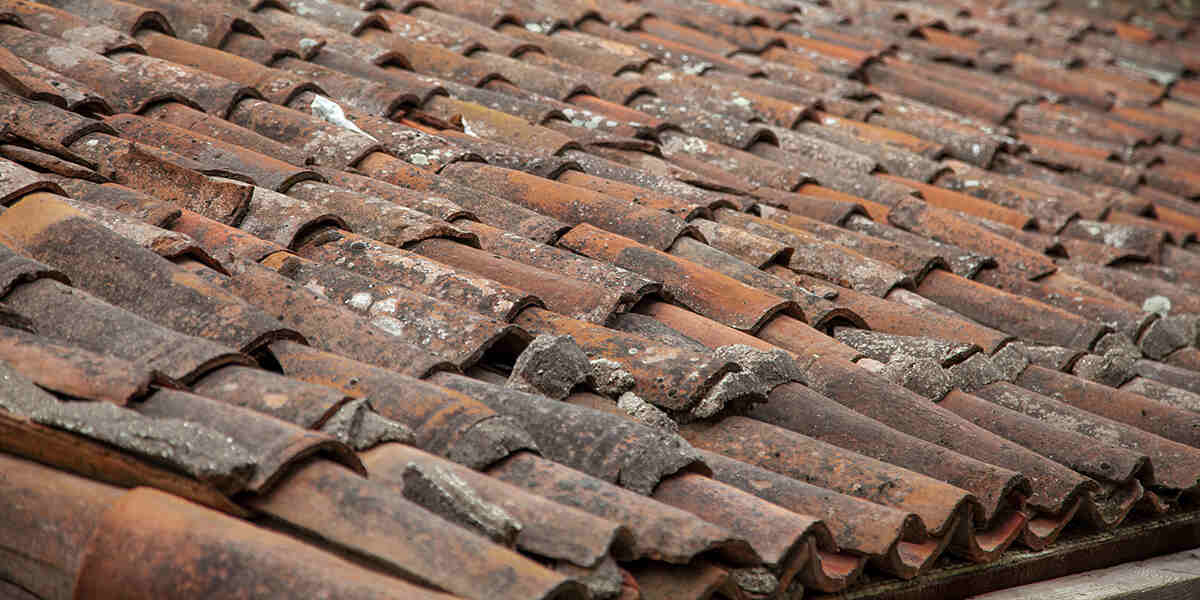
All the roofing materials have a shelf life. The normal asphalt shingles have a lifespan of 20 to 25 years. In the case of a leaky roof that is only 10 years old, it would be almost definitely a reasonable decision to repair it. The materials are still relatively new and most probably have much life remaining in them.
On the other hand, when your roof is at 20 years or more a patch up will most likely be a patch up. Shingles grow old, and they become weak, and are unable to shed water. The frustration will come when you spend money fixing one of the leaks in an old roof only to find that a few months later, there is another leak. In such a situation, replacing is more economical in the long run as it restarts the clock on the protection of your home and in most cases they also come with new warrantees.
Future Plans and Curb Appeal
Your decision should also be heavily dependent on your future plans of the home. When you are planning to sell in the coming years, a new roof would be one of the strongest selling points that can add value to the property and that the buyer would not have to incur direct expenses in finding a solution. This is because a patchy roof with shingles that are not matched due to various repairs may be a warning on a home inspection.
Conversely, when you are not moving out and the roof is not considered aesthetically unappealing, as well as structurally sound, you may decide to have the roof repaired to add a couple of years to its life, as you save the money to have it replaced later.
Conclusion
The decision to repair or replace is a tradeoff between structural reality and its monetary planning. Having analysed the level of the damage and the level of life of your current system and long term aspirations of the property you will be able to select the path, which will be offering the most value. In case of doubt, a reliable roofing professional could give the objective point of view that you need to secure your home.