
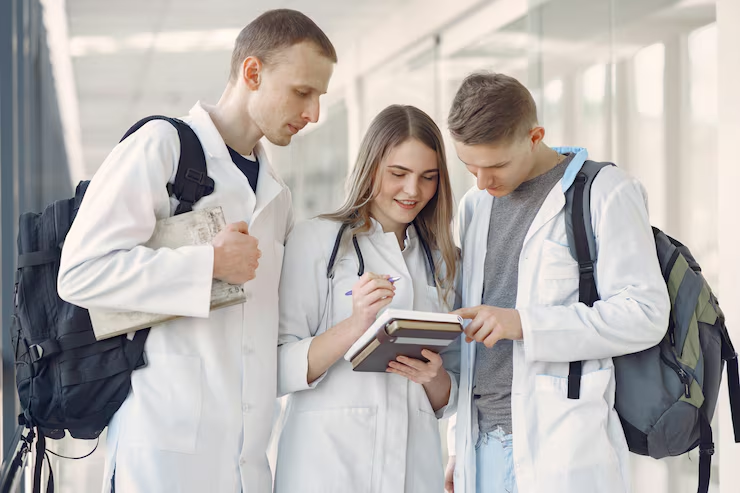
The modern healthcare system relies heavily on advanced technology to improve patient care. In the present day surgery is not confined to the use of basic tools or simple techniques. It’s a very complicated machine that needs special knowledge. It is crucial to train the future workforce of physicians to be proficient in these environments. Medical schools need to modify their training methods to be prepared to safely implement modern innovations.
Bridging the Gap Between Classroom and Operating Room
Learning anatomy in a book is quite different from doing a procedure on someone live with the use of digital monitors. Students require hands-on training in addition to classroom sessions. They need to become familiar with high-definition imaging and with intricate software packages. Leaders in medical education like Dr. Omar Marar understand that integrating modern technology into daily learning helps bridge this gap effectively. Early exposure to digital tools ensures young professionals feel completely comfortable stepping into a real operating room.
Hands On Experience With Robotic Systems
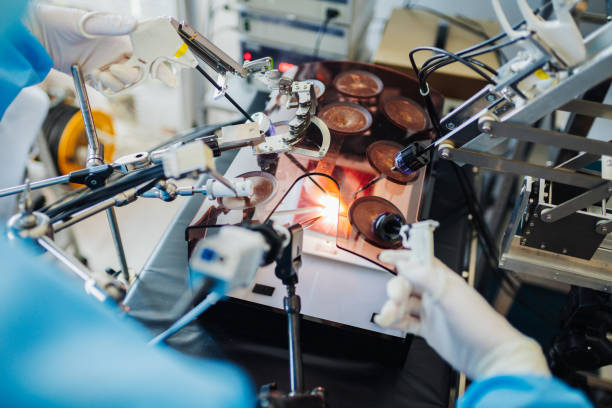
Many complex surgeries are now routinely performed with robotic surgery. These high precision systems have a very different set of physical abilities that are needed. Students will be required to learn to operate the robotic arms from a different console which will be viewed on a 3D screen. Hands on experience with these machines during their residency is extremely important in developing vital muscle memory. Simulators enable trainees to perform delicate movements in a safe manner without ever placing a human patient at any physical risk. This safe environment allows them to develop massive confidence and is ready for the pressure they will face in actual surgical situations.
The Importance of Mentorship in Skill Development

Technological advances are not enough to make a highly skilled surgeon. Nothing is more important in medical training today than the assistance of an experienced mentor. Senior doctors impart their experiential knowledge and wisdom to students, making them adept at making decisions when technology breaks down or unexpected complications occur. A good mentor is both technically capable and empathetic towards others. They make sure that young physicians never forget the patient in front of them and behind the computer. This personalized instruction shapes the character and professional ethics of future healthcare leaders ensuring they provide the absolute highest quality of patient care every single day.
Fostering Adaptability to Support Future Innovations in Healthcare.
This is because the tools used in surgery today, may be replaced by even more advanced systems in the near future. It is thus as crucial to teach students how to adjust to new technology as it is to teach them how to use the existing technology. Teaching should instill a positive attitude to learning and growth throughout a person’s life. One of the most important things to encourage trainees to do is to keep them informed about the most current medical research and engineering advances. New surgeons will be ready to accept future innovations and their clinical results will be continually enhanced throughout their medical career because of the natural adaptability they developed with this experience.
Conclusion
It is clear that a well-rounded medical education is needed to prepare future surgeons for a technologically oriented world. If we could provide early exposure to advanced tools, and provide good mentoring programs, we can produce a very competent generation of medical personnel. By incorporating both technology and proven medical knowledge, patient care is ensured to be effective and safe. These well trained doctors will be the front runners in delivering exceptional and life-saving medical treatments in the surgical field for the communities around the world.